
Search

#Toxicology
BBC 1d

A report from JJ Hospital has revealed that the deaths of four members of the Dokadia family in Mumbai's Paydhuni area were caused by zinc phosphide poisoning, following a forensic investigation that determined they succumbed to symptoms of vomiting and diarrhea after consuming watermelon late at night on April 25. #Mumbai #ForensicScience #Toxicology #IN

पायधुनीतल्या एकाच कुटुंबातील चार जणांच्या मृत्यूप्रकरणी जेजे रुग्णालयाचा अहवाल पोलिसांकडे सादर
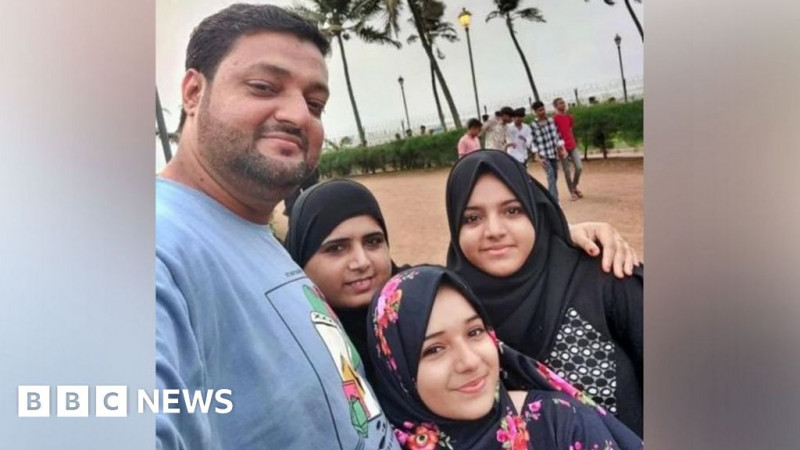
BBC 2d

Nearly three weeks after the mysterious deaths of the Dokadia family in Mumbai, police remain uncertain about the circumstances surrounding their demise, despite forensic evidence revealing the presence of zinc phosphide, a toxic chemical, in both the family's organs and the watermelon they consumed prior to falling ill. #Mystery #India #Toxicology #IN

'Watermelon deaths' in Mumbai puzzling Indian investigators
BBC 7d

A forensic report has revealed that zinc phosphide, a highly toxic chemical commonly used as a rodenticide, was found in the viscera of four members of the Dokadia family who died under mysterious circumstances in Mumbai's Paydhuni area, shedding light on their deaths that were previously attributed to food poisoning. #ForensicScience #Toxicology #MumbaiNews #IN

झिंक फॉस्फाईड काय असतं? पायधुनीतील कुटुंबाचा मृत्यू आणि कलिंगडाशी 'असा' आहे संबंध
BBC 7d

The forensic report regarding the deaths of four members of the Dokadia family in Mumbai's Paydhuni area revealed traces of the highly toxic chemical Zinc Phosphide in their organs and food samples, suggesting that their sudden deaths were likely caused by poisoning, after they experienced severe gastrointestinal symptoms following a family meal. #ForensicScience #Toxicology #MumbaiNews #IN

झिंक फॉस्फाईड काय असतं? पायधुनीतील कुटुंबाचा मृत्यू आणि कलिंगडाशी 'असा' आहे संबंध