
Search

#BlackHistory
The New York Times @nytimes.com Β· New York City πŸ‡ΊπŸ‡Έ Β· 7h

The article reflects on the Supreme Court's recent decision in Louisiana v. Callais, which allows states to create electoral districts that may limit Black representation, questioning whether this reflects a shift in racial equity and representation while recognizing the complex dynamics of race, partisanship, and the evolving landscape of Black voter support in America. #CivilRights #VotingEquality #BlackHistory #US #LA #SC #UT #MI #FL #GA
www.nytimes.com
Opinion | The Voting Rights Act Changed America, Now It Can Change
Before me as I write this is a photo album open to the one surviving image of my great-grandfather John Hamilton McWhorter II, a rural Black South Carolinian born in the late 19th century.
The New York Times @nytimes.com Β· New York City πŸ‡ΊπŸ‡Έ Β· 10h

The article reflects on the impact of a recent Supreme Court ruling in Louisiana v. Callais, which permits states to create electoral districts that may deny Black representation under the guise of political considerations, raising concerns about the potential regression in minority representation while also acknowledging the evolving dynamics of Black voter support and the complexities of identity and partisanship in modern electoral politics. #VotingRights #BlackHistory #RepresentationMatters #US #LA #SC #UT #MI #FL #GA

www.nytimes.com
Opinion | The Voting Rights Act Changed America, Now It Can Change
Before me as I write this is a photo album open to the one surviving image of my great-grandfather John Hamilton McWhorter II, a rural Black South Carolinian born in the late 19th century.
The New York Times @nytimes.com Β· New York City πŸ‡ΊπŸ‡Έ Β· 12h

The author reflects on the historical struggle for Black voting rights and critiques the recent Supreme Court ruling in Louisiana v. Callais, which could negatively impact Black representation by allowing states to create districts that may elect primarily white officials, while arguing that Black voters have evolved politically and can adapt to changing circumstances. #VotingRights #BlackHistory #PoliticalRepresentation #US #LA #SC #UT #MI #FL #GA

www.nytimes.com
Opinion | The Voting Rights Act Changed America, Now It Can Change
Before me as I write this is a photo album open to the one surviving image of my great-grandfather John Hamilton McWhorter II, a rural Black South Carolinian born in the late 19th century.
The New York Times @nytimes.com Β· New York City πŸ‡ΊπŸ‡Έ Β· 14h

The article reflects on the implications of the Supreme Court's ruling in Louisiana v. Callais, which permits states to draw legislative districts that may dilute Black representation under the guise of political considerations, while examining the evolving dynamics of Black voting patterns and the significance of representation, ultimately expressing cautious optimism about the resilience of Black electoral gains despite potential setbacks. #VotingRights #BlackHistory #PoliticalRepresentation #US #LA #SC #UT #MI #FL #GA

www.nytimes.com
Opinion | The Voting Rights Act Changed America, Now It Can Change
Before me as I write this is a photo album open to the one surviving image of my great-grandfather John Hamilton McWhorter II, a rural Black South Carolinian born in the late 19th century.
The New York Times @nytimes.com Β· New York City πŸ‡ΊπŸ‡Έ Β· 2d

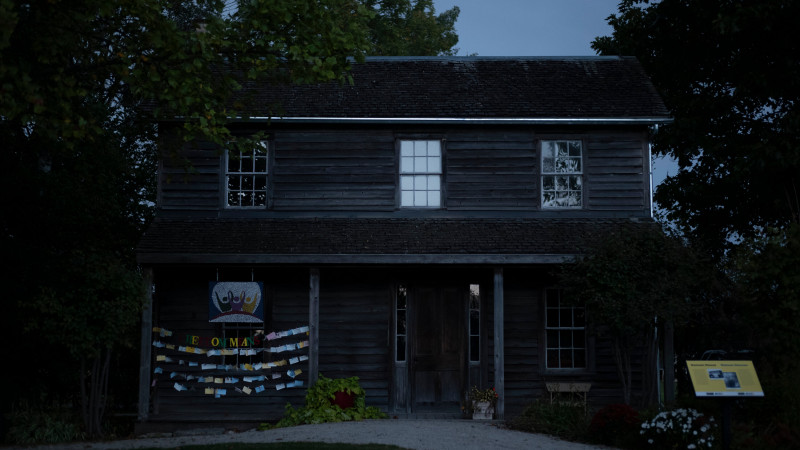
In the late 1940s, Bill Chapple controversially named a small building on his farm "Uncle Tom's Home," referring to the fictional character from Harriet Beecher Stowe's novel, while it actually housed the real-life Josiah Henson, an abolitionist and conductor of the Underground Railroad, whose legacy was later overshadowed by the negative connotations of the name "Uncle Tom," leading to a decades-long campaign that ultimately resulted in renaming the site to the "Josiah Henson Museum of African-Canadian History" in July 2022. #BlackHistory #Abolition #RacialJustice #CA #US #GB

www.nytimes.com
Reclaiming the Name of the Black Hero Who Inspired 'Uncle Tom's Cabin'
Sometime in the late 1940s, Bill Chapple hung a sign on a small building on his farm with words that would draw visitors and prove controversial and painful for decades to come: "Uncle Tom's Home.