
Search

#SelfTanning
The New York Times @nytimes.com Β· New York City πŸ‡ΊπŸ‡Έ Β· 1d

The article discusses the safety of using sunless tanners, highlighting that while these products, primarily containing the ingredient dihydroxyacetone (DHA), are generally considered safer than UV exposure and have been used for decades without severe health risks, more research is needed to fully understand their long-term effects on human skin. #SelfTanning #SkinCare #UVProtection #US #NY #IN #AL #MI #DET
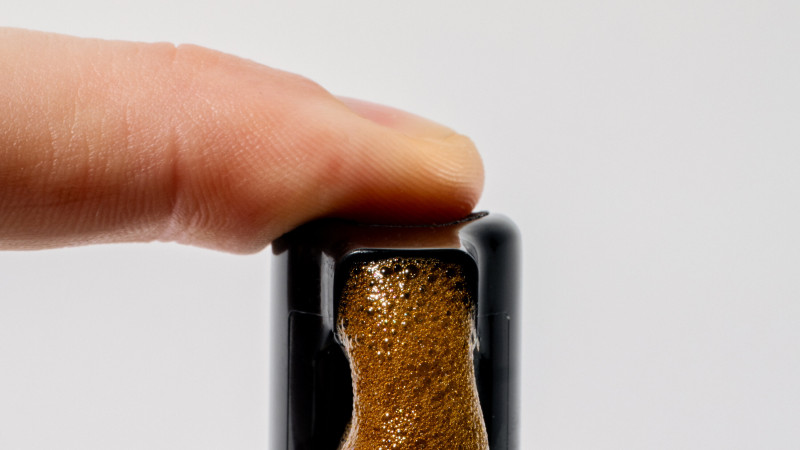
www.nytimes.com
ΒΏEl autobronceador hace daΓ±o?
P: Utilizo productos de bronceado sin sol para evitar la exposiciΓ³n a los rayos ultravioleta, pero muchos tienen ingredientes que suenan preocupantes.
The New York Times @nytimes.com Β· New York City πŸ‡ΊπŸ‡Έ Β· 3d

Modern sunless tanning products, which primarily use dihydroxyacetone (DHA) to create a natural-looking tan, are considered safer than ultraviolet exposure, although limited research exists on their long-term safety; they can occasionally cause skin irritation or allergies, and proper application techniques should be followed to minimize risks. #SelfTanning #SkinHealth #SunSafety #US

www.nytimes.com
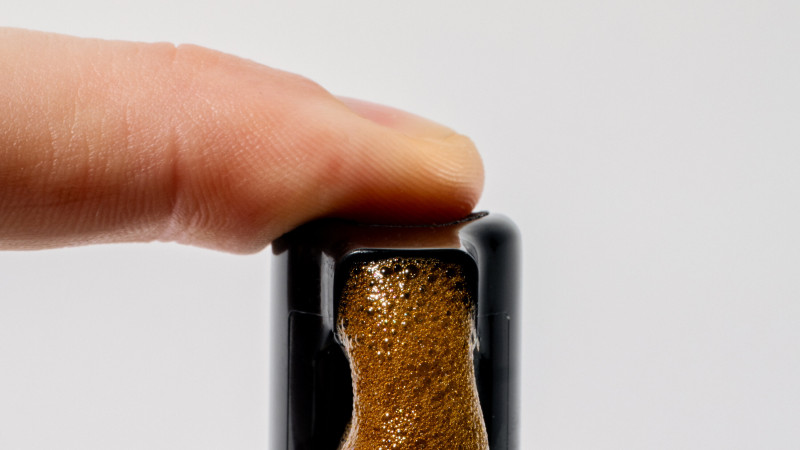
Is Self-Tanner Bad for You?
Q: I use sunless tanning products to avoid ultraviolet exposure, but many of them have scary-sounding ingredients. Is self-tanner safe.