
Search

#DrugDiscovery
The New York Times @nytimes.com Β· New York City πŸ‡ΊπŸ‡Έ Β· 2d

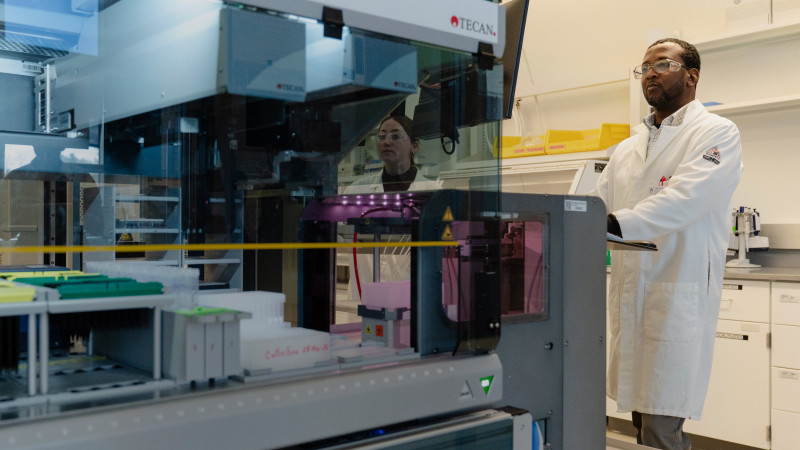
In a Bristol Myers Squibb lab near Boston, scientists are utilizing artificial intelligence to optimize the production of genetically engineered proteins for disease treatment by precisely monitoring key variables in the biomanufacturing process, resulting in a 40% increase in drug production and addressing challenges related to drug shortages, while the company also faces the looming impact of cost-cutting measures and potential job losses due to automation advancements. #ArtificialIntelligence #PharmaceuticalInnovation #DrugDiscovery #US #CN #TH
www.nytimes.com
American Factories Lag in Adopting A.I. This Drugmaker Is an Exception.
In a sterile Bristol Myers Squibb lab about an hour north of Boston, scientists in scrubs and hairnets transfer living cells to a 2,000-liter stainless steel bioreactor that grows them for weeks.
The New York Times @nytimes.com Β· New York City πŸ‡ΊπŸ‡Έ Β· 2d

At the Bristol Myers Squibb facility in Devens, Massachusetts, scientists are leveraging artificial intelligence to enhance the production of genetically engineered proteins for disease treatment, improving drug output by 40% and allowing real-time intervention during the manufacturing process, while facing challenges in translating technological advancements into broader productivity gains compared to China's rapidly scaling biotech sector. #ArtificialIntelligence #Biotechnology #DrugDiscovery #US #CN #TH

www.nytimes.com
American Factories Lag in Adopting A.I. This Drugmaker Is an Exception.
In a sterile Bristol Myers Squibb lab about an hour north of Boston, scientists in scrubs and hairnets transfer living cells to a 2,000-liter stainless steel bioreactor that grows them for weeks.